
Early hardware for private keys settled a quiet argument. People had been approving actions inside browsers and phone apps, on glass that any program could redraw. If the machine was already compromised, the dialog could describe one action while the machine prepared another. The person was careful. The pixels were not.
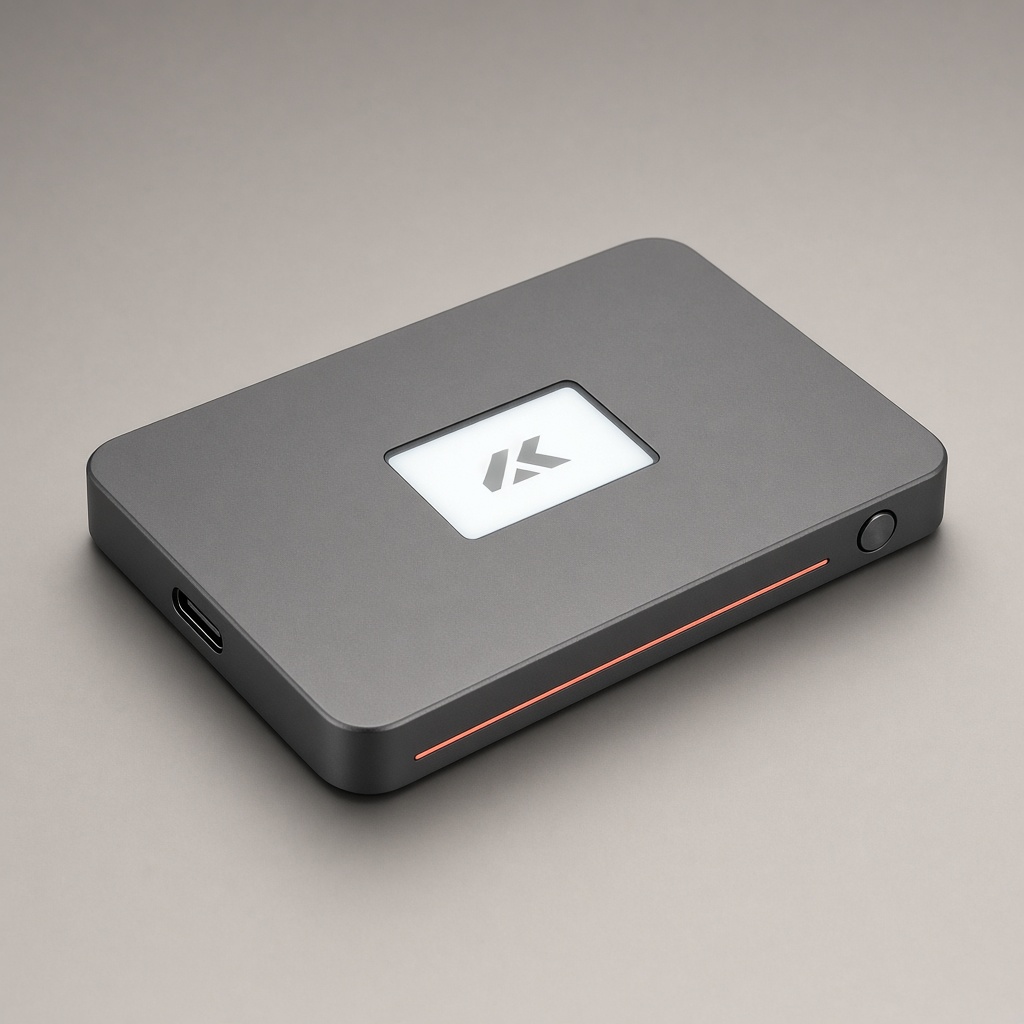
The fix was almost modest. Put a second screen on a small device, and let only the chip that holds the key draw that screen. The laptop may still prepare the request. It may still show a helpful summary. Neither of those views is the one that counts. The one that counts is the panel set into the metal.
What you are checking
When a request arrives over the USB-C cable, Yenao lays the details on the device screen. You are looking for a match between what you expect and what the metal says. If a single line looks unfamiliar, you do not hold the button. Nothing is signed. The chip goes back to waiting.
This is slower than a click on a laptop, and the slowness is the feature. A hardware wallet is a pause. The pause is where a substituted detail becomes visible, because the computer that might have substituted it cannot reach the pixels you are reading.
Why the button is on the device
A confirmation typed on the computer would fall back into the same problem. The keyboard is on the untrusted side of the cable. The button on the Yenao Wallet is on the trusted side. Holding it tells the chip that the person who can see the screen agrees with the screen. The signature is produced inside the device after that gesture, not before.
A habit, not a setting
The studio’s advice is plain. Read the device every time, including the times that feel routine. Familiarity is when a changed line is easiest to miss, and also when it matters. The screen is small on purpose. There is not a second task competing with the line you came to read.
That is the whole argument for the glass on the tile. The computer remains useful. It is just no longer the place where a private key is allowed to be believed.